Lead Roofing in Sydney
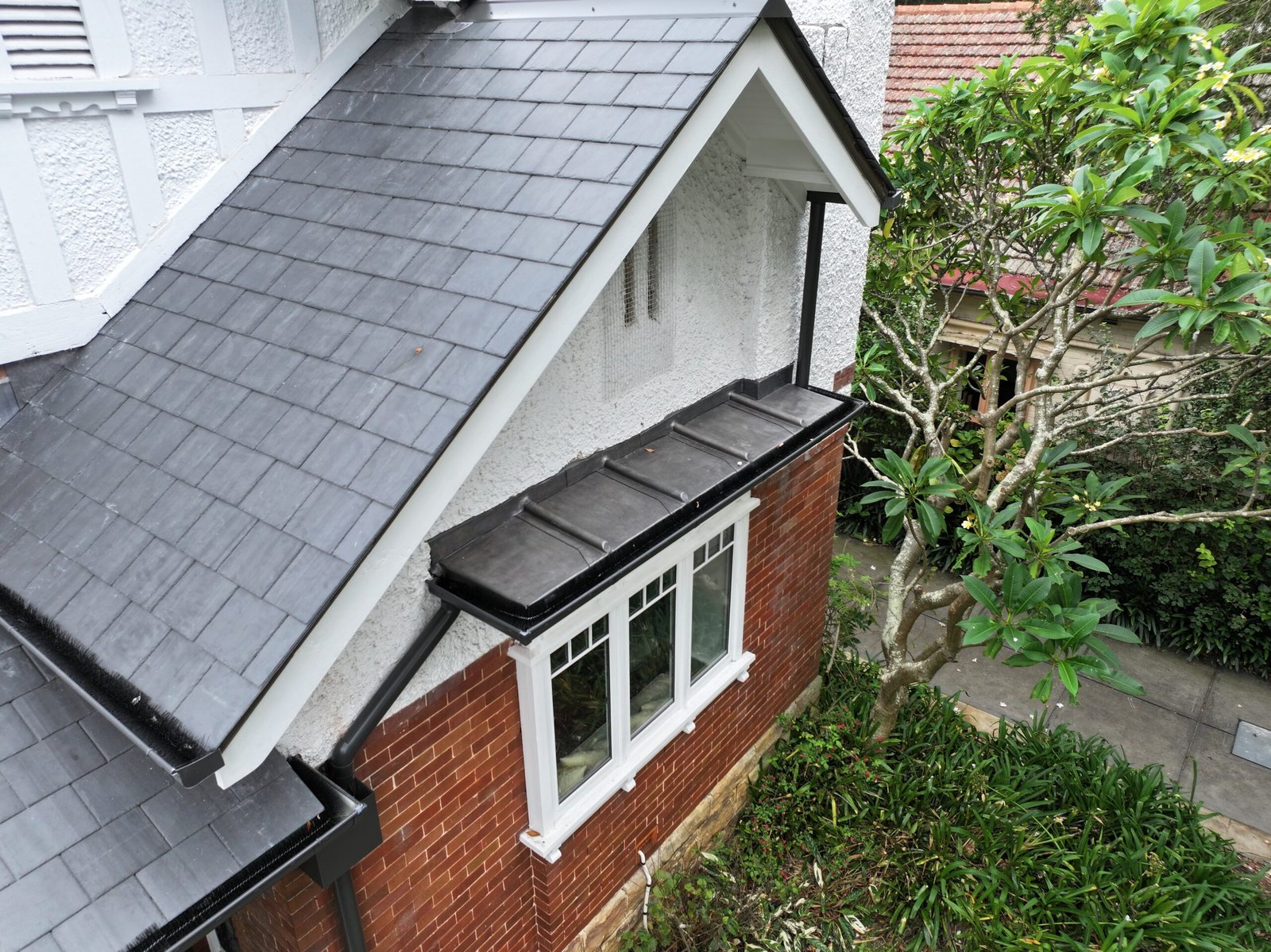
Lead Roofing
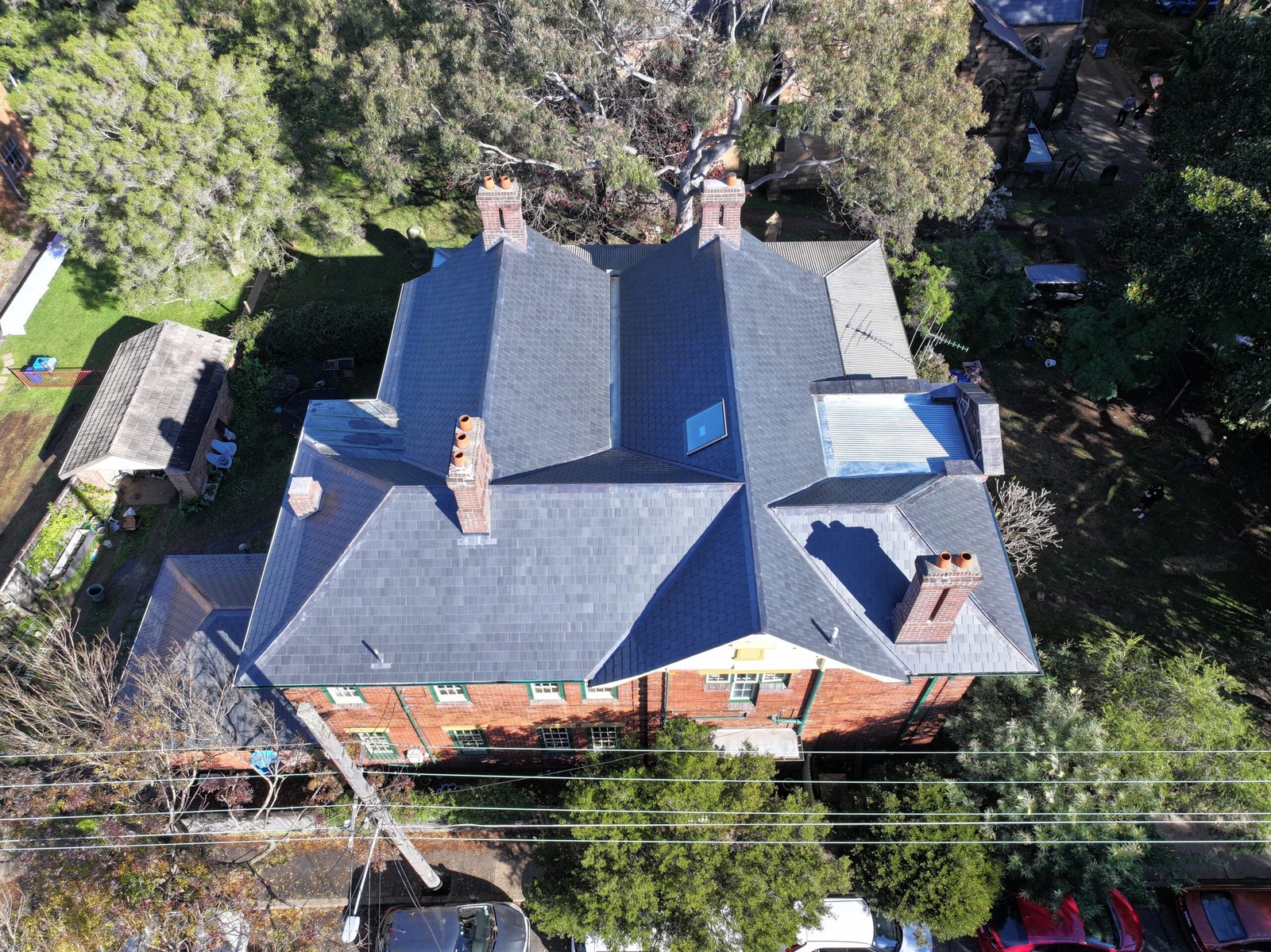
White Rose Slate Roofing carries out lead roofing across Sydney as a core part of our slate work, not a bolt-on trade. We fabricate, dress, weld and fix lead to the same standard the roof around it demands whether that's a fresh slate installation, a heritage-listed church, or a single failed valley on a hundred-year-old Federation home in Mosman.
What Lead Roofing Actually Involves
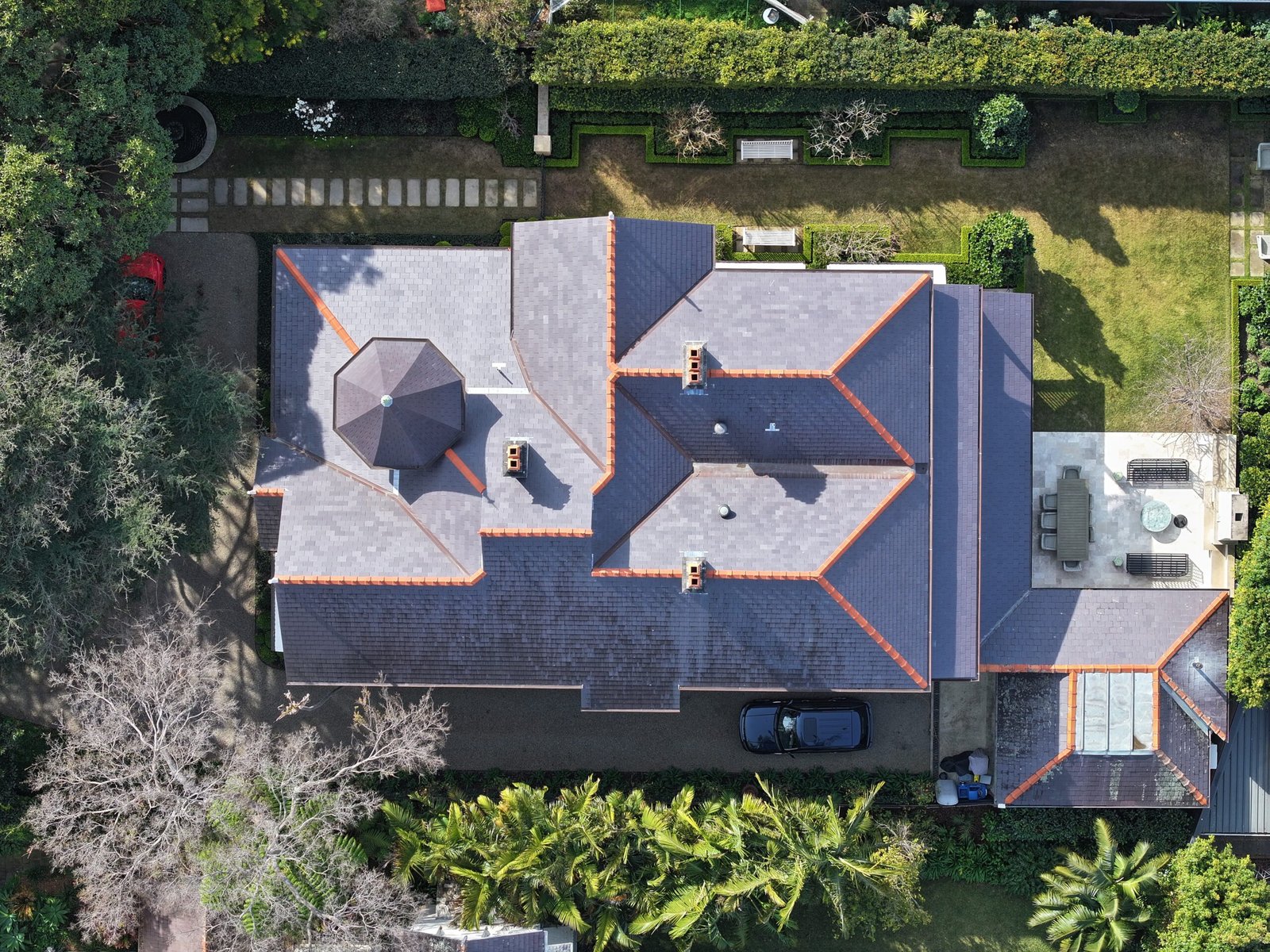
Malleability
It expands and contracts with temperature far more than most metals, so when it's detailed correctly with expansion joints, it doesn't split
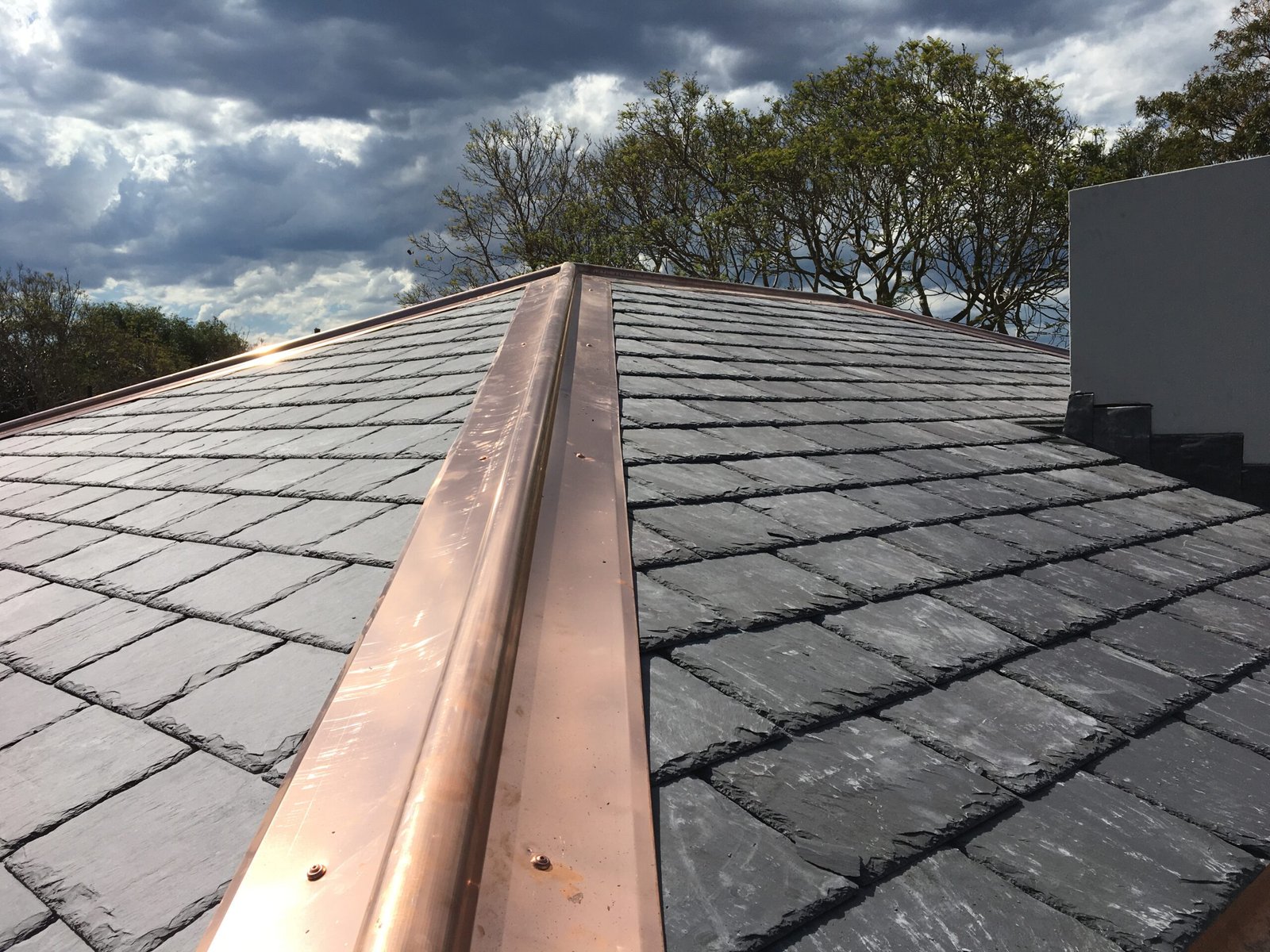
Movement tolerance
The most widely used slate globally for new installation, with strong consistency in thickness and grading. It performs well across Sydney's climate range and is generally more cost-effective than Welsh slate without a meaningful difference in service life when installed correctly.
Longevity
Properly installed lead on a well-ventilated roof regularly outlasts the building's original owners; original leadwork from the 1800s still survives on Sydney heritage buildings today
Lead roofing covers any leadwork used to waterproof and detail a roof: flashings, valleys, soakers, cladding and capping, usually installed alongside slate, terracotta tile, or as standalone architectural cladding on dormers and bay windows. It’s a distinct trade within roofing lead roofers work the metal by hand, using techniques (bossing, dressing, lead burning) that have barely changed in over a century, because the material hasn’t needed them to.
How Lead Roofing Is Installed
every junction is different; templates are taken on site, not assumed from drawings
milled lead sheet is cut to size, code confirmed against the application
lead is worked by hand over timber formers or directly on site to follow the profile of chimneys, dormers, and roof junctions without cracking the material
laps, welts and, where required, lead burning (a fusion-welding technique specific to lead) join sheets without introducing a failure point
copper or stainless clips are used, never nails driven through the lead itself, which restricts the material's ability to move
expansion joints or loose-fixed sections are built in to accommodate thermal movement without stressing the lead
occasionally patination oil is applied to control the initial weathering pattern and reduce calcium carbonate runoff onto adjacent slate or render during the first few months
Where Lead Is Used on a Sydney Roof
Most homeowners only notice lead when it fails a stain on the ceiling, a drip near the chimney.
In practice it’s doing quiet, constant work in a dozen places most people never look at.
| Application | Purpose |
|---|---|
| Valleys | Channel water at the internal angle where two roof planes meet the highest-volume water path on the roof. |
| Chimney flashing (stepped, cover, apron, saddle) | Seals the junction between masonry and roof plane, where differential movement causes most leaks. |
| Soakers | Small individual pieces woven between slates at abutments, working with step flashing to stop lateral water ingress. |
| Box gutters | Concealed gutters, often behind parapets, where lead lining is the only waterproofing layer. |
| Dormer cheeks and cladding | Vertical lead cladding on dormer sides, common on Federation and Victorian homes. |
| Parapet and ridge capping | Caps the top of a parapet wall or ridge line, shedding water off masonry. |
| Skylight and vent penetrations | Dressed lead collars around any roof penetration. |
Lead vs Copper vs Zinc for Sydney Roofs
| Factor | Lead | Copper | Zinc |
|---|---|---|---|
| Typical lifespan (correctly installed) | 100+ years | 60–100 years | 40–70 years |
| Workability on site | Excellent hand dressed, no specialist welding for most details. | Good, requires soldering/brazing. | Moderate, more brittle when cold-worked. |
| Heritage matching | Standard heritage material, matches original detailing. | Common on later heritage and architectural work. | Less common on heritage stock. |
| Coastal salt resistance | Very good. | Very good, develops protective patina. | Good, but more prone to white rust in early years. |
| Bimetallic risk | Corrodes adjacent zinc and aluminium if in direct contact. | Corrodes adjacent lead, zinc and aluminium. | Vulnerable to contact with copper and lead runoff. |
| Cost | Higher material cost, lower long-term maintenance. | Higher again, particularly for large-format cladding. | Generally the most cost-effective of the three. |
Note the bimetallic risk row this is why mixed-metal detailing needs a roofer who understands the interactions, not just how to install each metal individually.
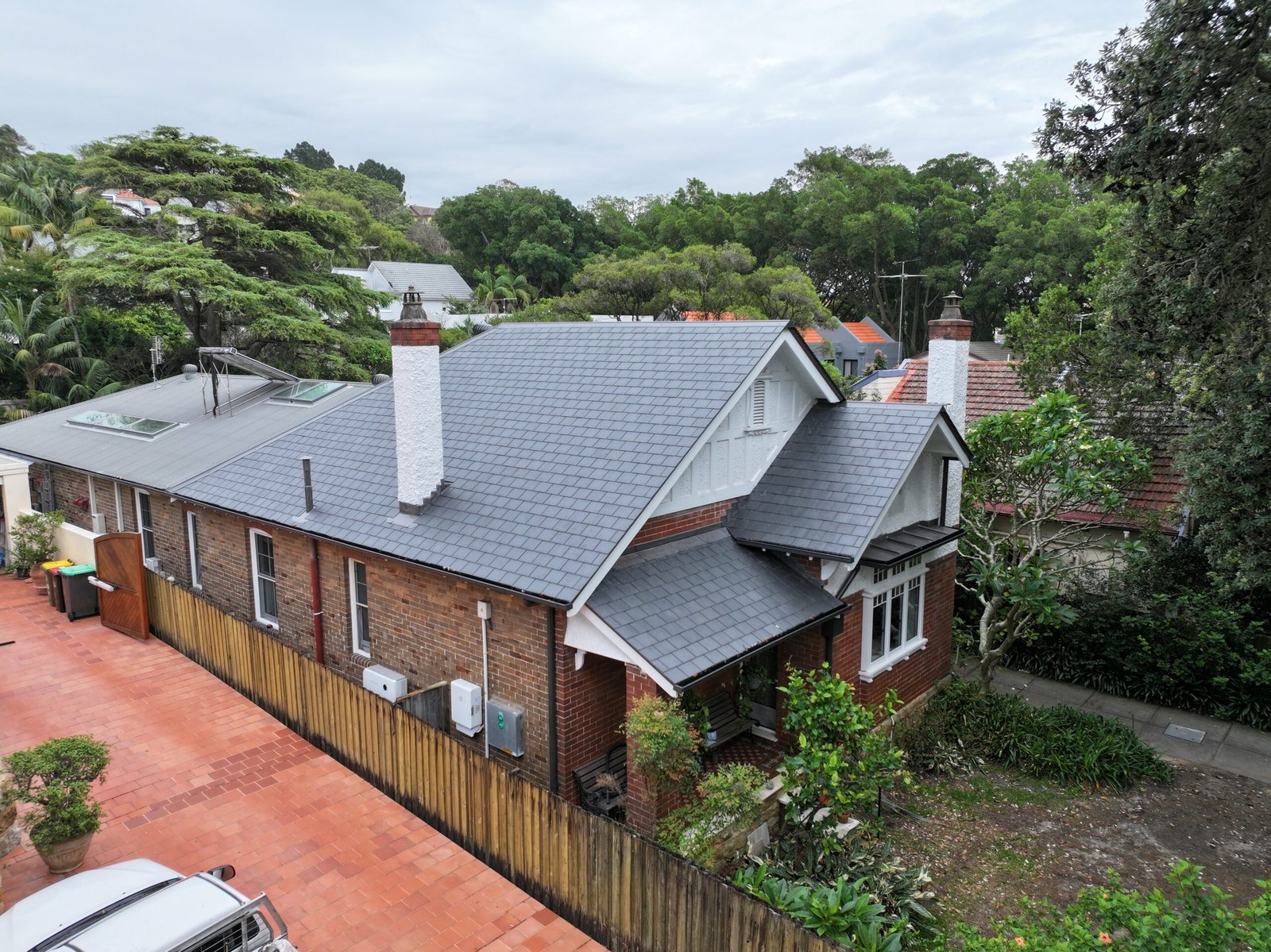
Lifespan and Maintenance
Correctly installed lead with adequate code thickness and proper expansion detailing routinely lasts 80 to 100+ years, often outlasting the roof covering around it. It’s genuinely low-maintenance, but not zero-maintenance. We recommend a lead-specific check as part of any roof inspection every few years, focused on:
- Movement or lifting at laps
- Splitting at dressed corners and welts
- Contact points with copper or zinc components
- Calcium carbonate staining patterns, which can indicate where runoff is landing on slate or render
Lead Roofing for Heritage and Character Homes
Lead Roofing for Churches Schools and Commercial Buildings
Signs You Need Lead Flashing Repairs
- Water staining on ceilings near chimneys, valleys or dormers
- Visible lifting or curling at flashing edges
- Green or white streaking on lead itself (patina is normal; active streaking onto adjacent slate or render may indicate a runoff issue)
- Cracking visible at dressed corners
- Previous sealant repairs that are cracking or peeling
- Slates dislodged near a valley or chimney junction

Frequently Asked Questions
Can lead flashing be repaired, or does it need full replacement?
Localised failures a split corner, a lifted lap can usually be repaired without replacing the entire run, provided the lead itself hasn’t thinned excessively from age or corrosion. Whole-section replacement is generally only needed where the lead is undersized for the application or has failed across multiple points.
Is lead roofing safe to install and does it meet Australian regulations?
Does lead roofing work with terracotta tile as well as slate?
Can lead and copper be used on the same roof?
They can, but not in direct contact or where runoff from one flows onto the other, due to bimetallic corrosion risk. This needs to be detailed correctly at the design stage isolating layers or separated drainage paths rather than avoided altogether.
How do I know if my roof needs new lead or if the slates around it are the problem?
Often the two are connected corroded slate fixings can let flashing lift even when the lead itself is sound. A proper inspection checks both together rather than assuming the visible leak point is the actual cause.