Shingles and Shakes Roofing in Sydney
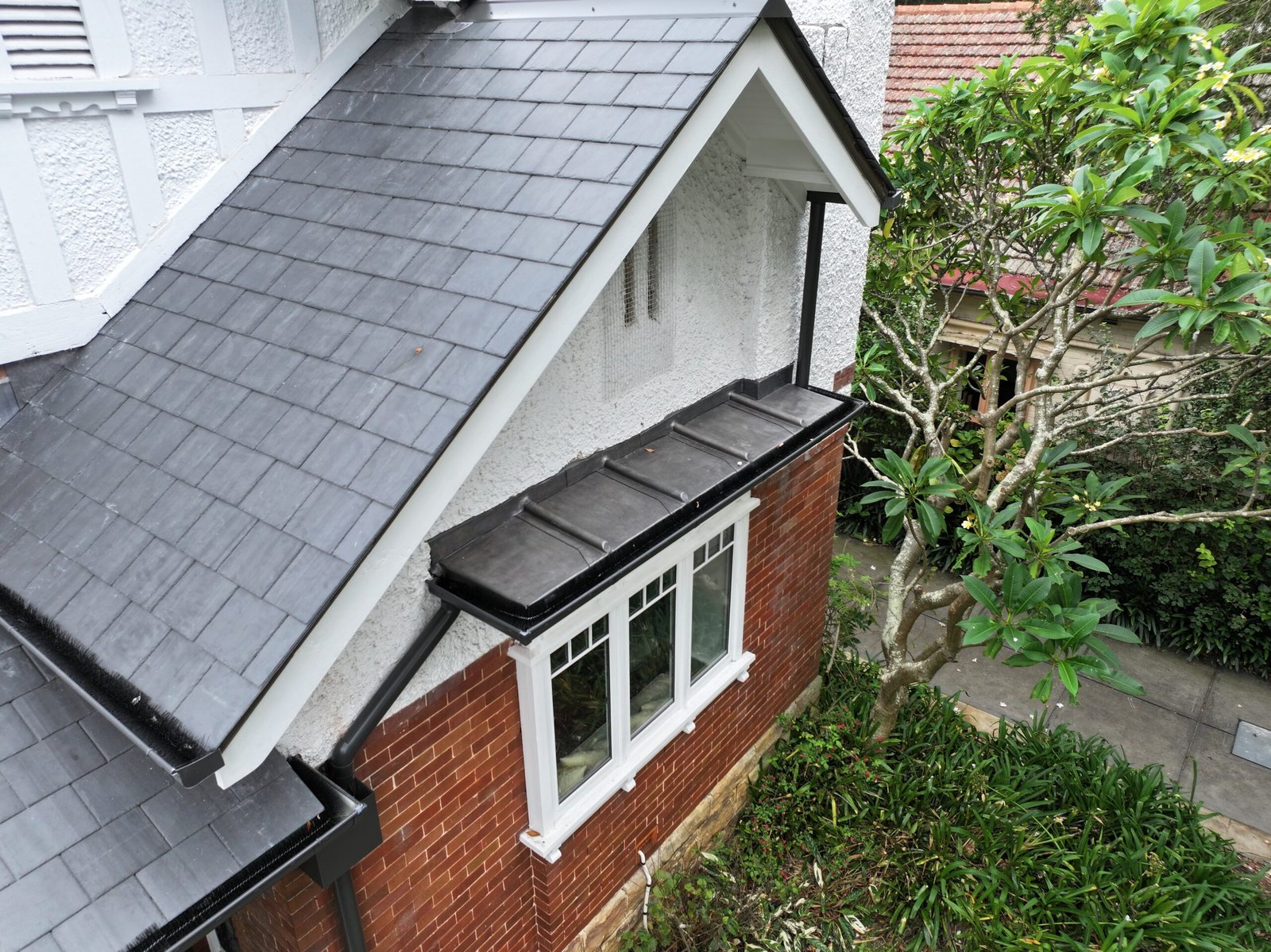
Shingles and Shakes Roofing
Get the species wrong, the fixings wrong, or the batten spacing wrong, and a roof that should grey off gracefully over decades starts cupping, splitting and lifting within a few years. White Rose Slate Roofing installs, repairs, restores and replaces timber shingle and shake roofing across Sydney from small feature sections on gable ends and dormers through to full heritage roofs on National Trust-listed properties.
We work alongside our slate and lead flashing services, which matters more than it sounds: most shingle and shake roofs we're called to sit next to slate, terracotta or lead detailing, and the junctions between materials are usually where problems start.
What Are Timber Shingles and Shakes
Both are thin, split or sawn pieces of timber laid in overlapping courses, the same way slate or tile is laid. The confusion between the two terms is common, and it matters, because they behave differently on a roof.
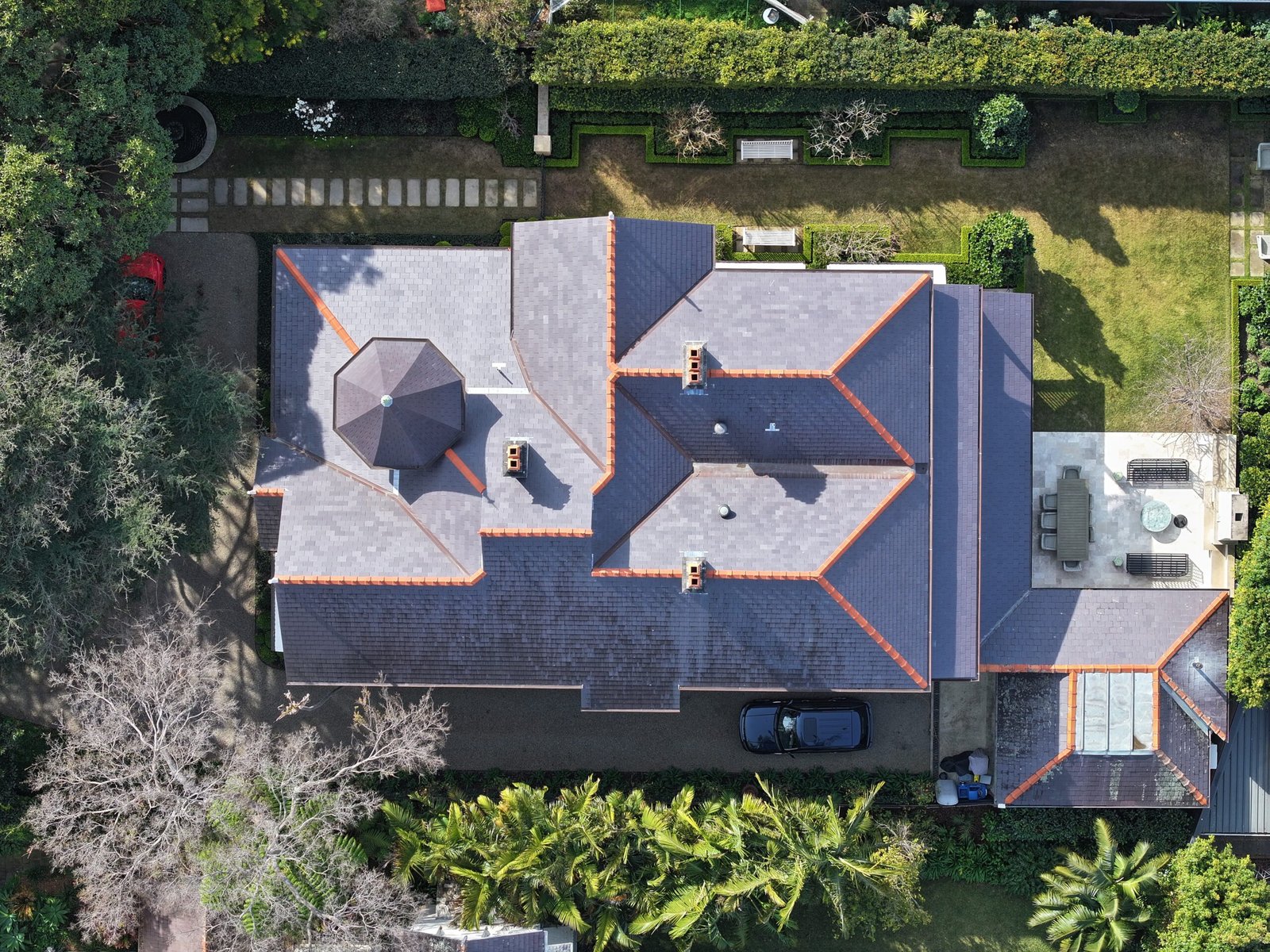
Shingles
Are sawn to a consistent thickness and profile. They can be cut straight-sawn, diamond-sawn, or tapered from a thicker butt end to a thinner head. The sawn face gives a tidier, more geometric appearance, which is why shingles are often chosen for architectural feature work gable ends, window hoods, wall cladding as much as for full roofs.
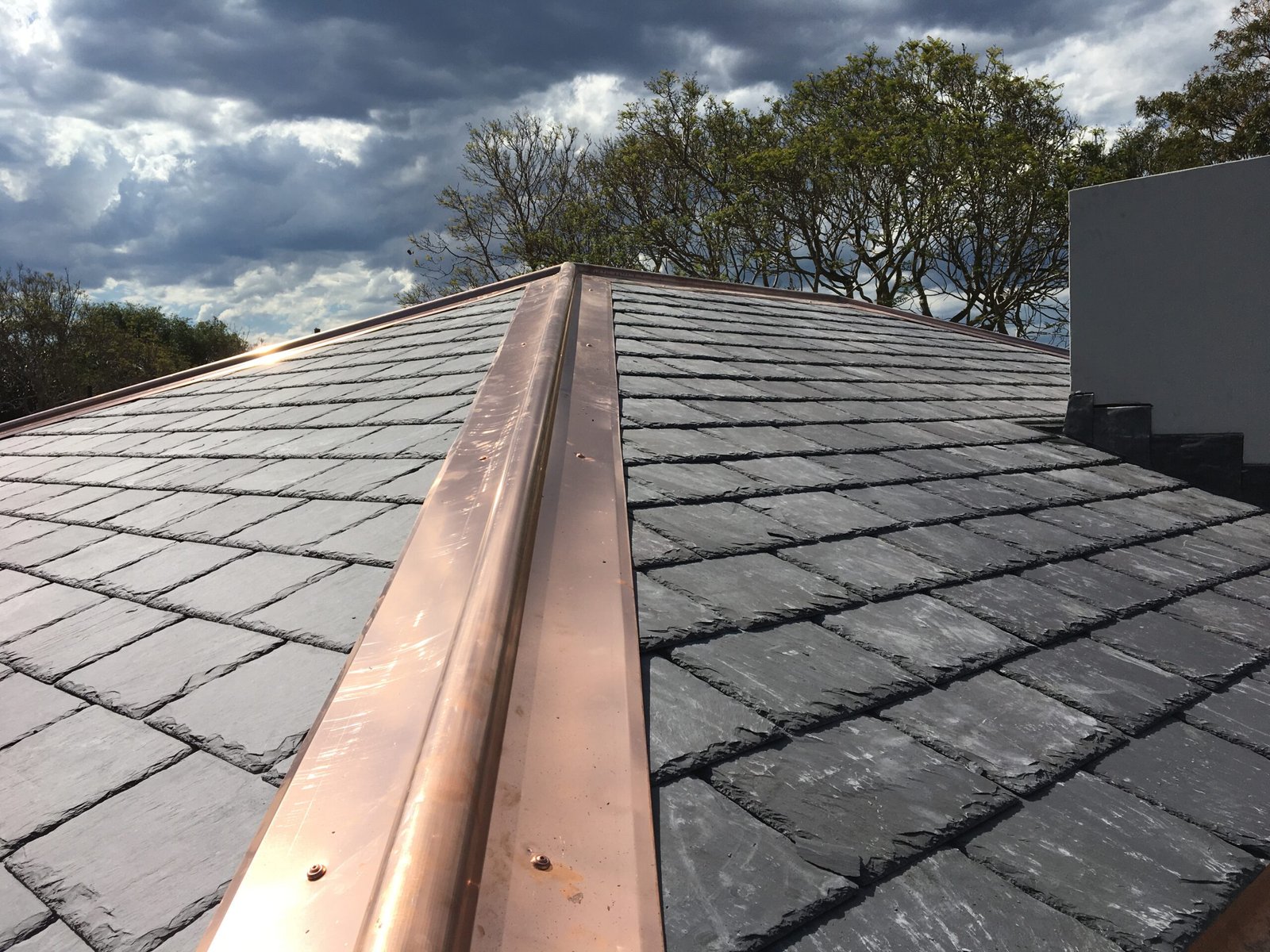
Shakes
Are split by hand or machine along the timber's natural grain rather than sawn across it. Because the split follows the grain instead of cutting through it, shakes shed water more effectively and tend to outlast sawn shingles by a wide margin when the species and installation are right. The trade-off is a rougher, more irregular face some clients want that texture, others don't, and it's worth seeing samples of both before committing.
A rule of thumb we give clients: shingles for a tidy, uniform look and shakes where you want the roof to read as hand-crafted and rustic. Neither is objectively better it’s a style and budget decision as much as a technical one.
Our Installation Process
A shingle or shake roof is built up in layers, and skipping or under-specifying any one of them is where premature failure starts.
The timber deck is checked for soundness, then sarking (a breathable roofing underlay) is laid to manage any moisture that gets past the shingle layer — which will happen occasionally, by design, in wind-driven rain.
Timber battens are fixed at spacing calculated from the shingle exposure — the amount of each shingle left visible to the weather. Get the batten spacing wrong and either the shingles don't overlap enough for a weathertight roof, or you waste material overlapping more than necessary.
Shingles or shakes are laid in overlapping courses, with joints offset between rows so water can't track straight through. We fix with ring shank or clout head nails in stainless steel or hot-dip galvanised, never plain steel — ordinary fasteners corrode, streak the timber with rust stains, and lose withdrawal resistance well before the shingles themselves are due for replacement. Coil-nailer-compatible galvanised fasteners are now common on larger jobs and, when correctly specified, perform on par with stainless.
Wherever a shingle roof meets a chimney, wall, valley or another roof plane, we use lead flashing rather than relying on the timber alone to shed water. This is standard practice across our slate and shingle work — it's also the single most common point of failure we find on roofs installed by contractors unfamiliar with traditional roofing.
Shingles and shakes need adequate pitch to perform. As a general guide, the steeper the roof, the longer the shingles last — water clears faster, and less sits against the timber in valleys and low-pitch sections. On low-pitch applications we'll usually recommend a different detailing approach or advise against shingles altogether.
Timber Species We Use
Species selection is where a lot of shingle roofs go wrong before the first shingle is even fixed. We work with:
- Western red cedar the most common choice for Sydney homes, valued for its natural oils, resistance to rot and insects, and the way it weathers to a consistent silver-grey.
- Tallowwood, ironbark, jarrah, spotted gum and stringybark Australian hardwoods used where a heavier, denser shingle suits the building, or where matching existing hardwood shingle work is the priority.
- Mountain ash occasionally specified for lighter architectural sections.
Left unfinished, cedar and hardwood shingles weather naturally to a silver-grey over one to two years. A light penetrating oil is sometimes applied at installation to help the timber settle into its new environment, but we generally advise against ongoing oiling or staining regimes they trap moisture under the coating and can shorten the roof’s life rather than extend it.
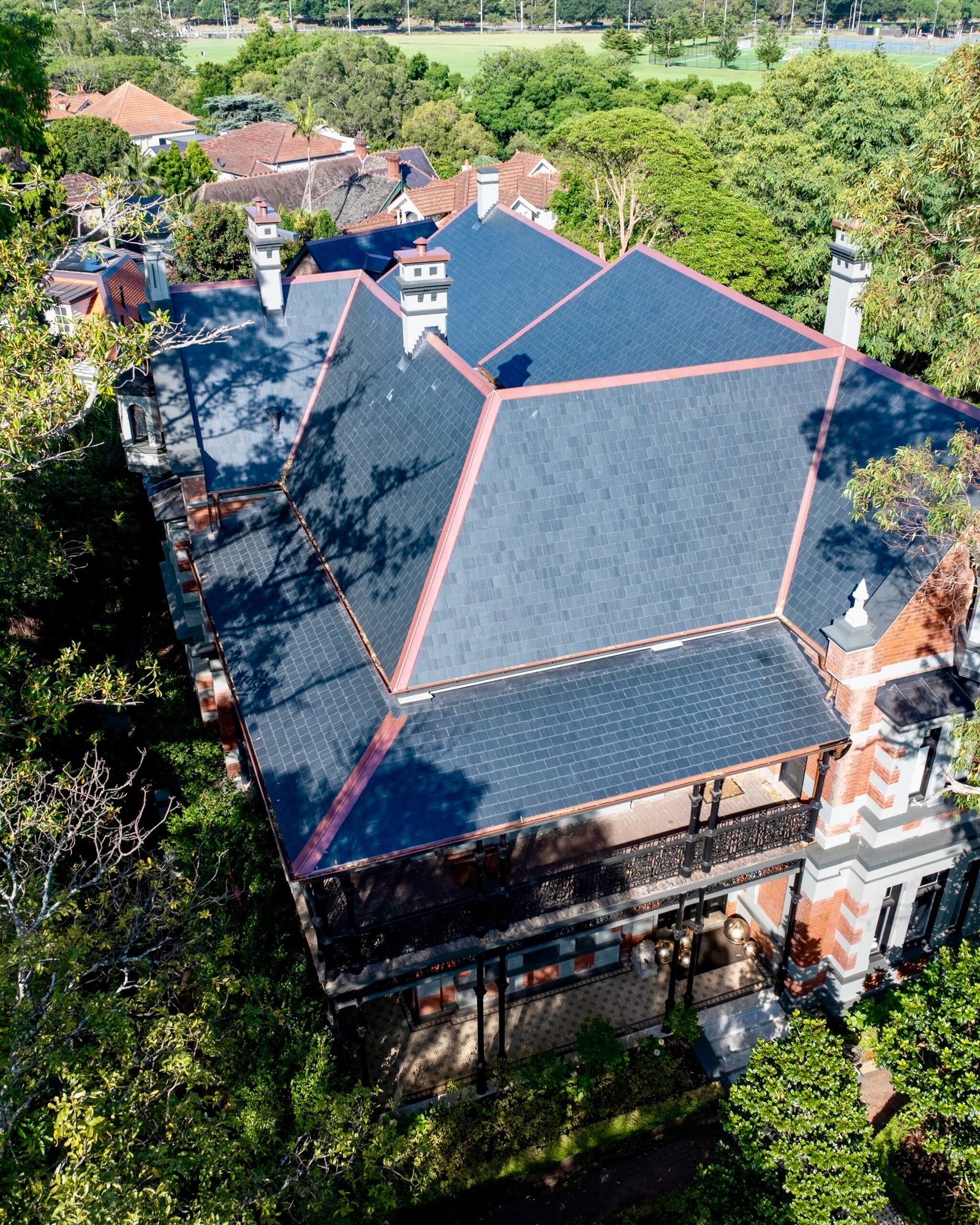
Where Shingles and Shakes Are Used on Sydney Roofs
- Gazebos, pergolas and garden structures
- Gable ends and dormer cheeks
- Entryway hoods and porch roofs
- Feature cladding on upper storey walls
- Small architectural roof sections alongside a primary slate or terracotta roof
- Decorative detailing at valleys or roof breaks
Full shingle roofs do exist, particularly on some heritage cottages and National Trust properties, and we handle those as well but if you’re planning a feature section rather than a full reroof, say so early, because the detailing at the transition between shingles and your existing roof material is usually the trickiest part of the job.
Repairs, Restoration or Replacement
| Factor | Repairs | Restoration | Replacement / Reroof |
|---|---|---|---|
| Best for | Isolated split, cupped or missing shingles; localised leaks. | Roof is structurally sound but showing widespread weathering, moss or fixing failure. | Timber is delaminating, rotten, or fixings have failed across most of the roof. |
| Typical scope | Replace individual shingles or a small section, re-fix loose pieces, re-flash a valley. | Strip and replace worn courses, upgrade sarking/battens where accessible, re-flash as needed, retain sound original timber. | Full strip-back, new sarking and battens, all-new shingles or shakes, full re-flashing. |
| Timber matching | Match species, thickness and exposure to existing work. | Match new sections to weathered original as closely as possible. | New timber batch greying will occur uniformly over time. |
| Typical trigger | A handful of shingles cracked, curled or blown off in wind. | Roof is 15–30+ years old, general wear but no structural failure. | Roof is 40+ years old, or nail sickness/rot found on inspection. |
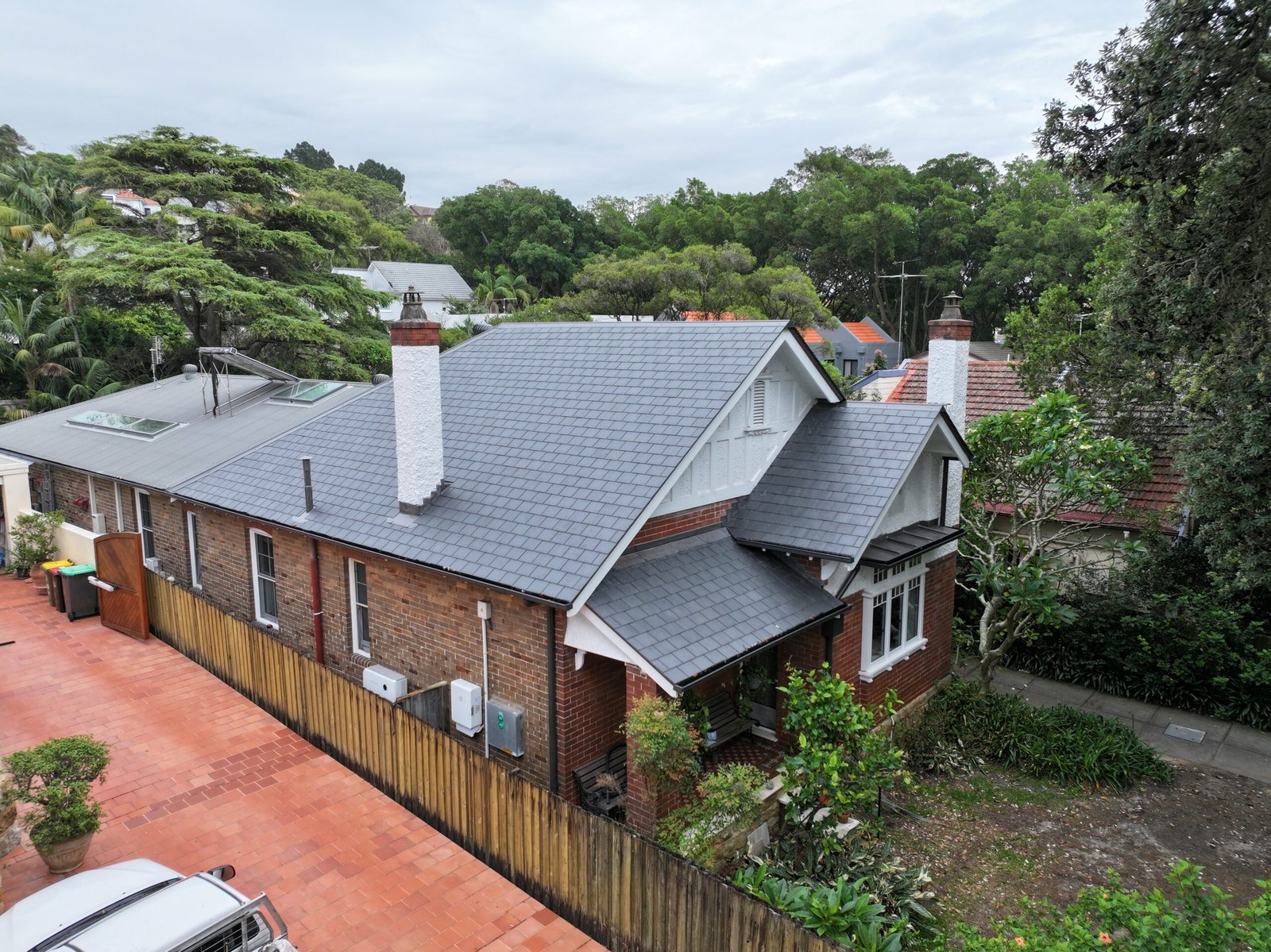
Commercial and Heritage Applications
We work with churches, schools, body corporates and heritage consultants on shingle and shake sections that form part of a larger heritage-listed roofscape often alongside slate or terracotta on the main roof planes. This work typically involves:
- Matching new timber to existing heritage fabric under a heritage overlay or National Trust listing
- Sourcing appropriate species and profiles where original documentation is limited
- Coordinating with heritage consultants on approvals before work begins
- Sequencing work to keep the building in use during restoration, common on schools and churches
Institutional clients should factor in longer lead times for heritage approvals where the property is listed this is usually the rate-limiting step, not the roofing work itself.
Cost Factors
We don’t publish fixed per-square-metre rates for shingle and shake work, because the variables genuinely change the price:
- Species and grade of timber
- Sawn versus hand split (shakes generally cost more)
- Whether it’s a small feature section or a full roof
- Access steep pitches, multi-storey sections and heritage sites often require scaffolding
- Whether existing work needs matching, which limits sourcing options
- Extent of lead flashing and valley work required
We provide a fixed, itemised quote after inspection rather than a phone estimate on this type of work, an estimate given without seeing the roof deck and existing timber condition isn’t a reliable number.
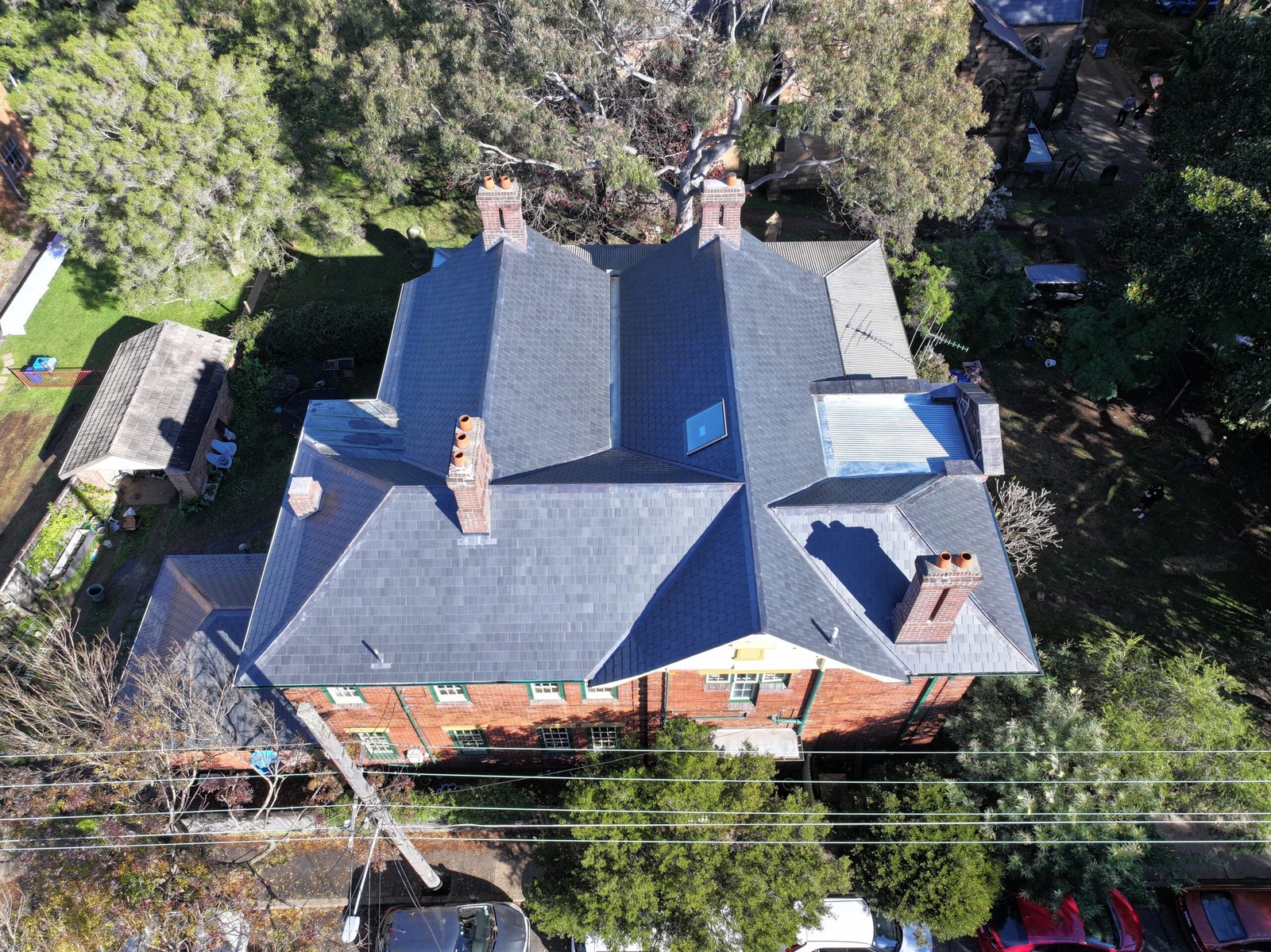
servicing all across sydney
We install slate roofs across Sydney and surrounding NSW, including Mosman, Randwick, the North Shore, Eastern Suburbs, Northern Beaches, Inner West, Southern Highlands, Canberra and the South Coast.
Frequently Asked Questions
What's the actual difference between a shingle and a shake?
Can you match new shingles to an existing weathered roof?
Do shingles and shakes need to be treated or oiled?
How long does a timber shingle or shake roof last in Sydney conditions?
Is shingle roofing suitable for a low-pitch roof?
Not usually. Shingles and shakes need adequate pitch to shed water properly on low-pitch sections we’ll generally recommend a different detailing approach rather than fitting shingles where they’re likely to hold water and fail early.
Do you handle full shingle roof replacements or only feature sections?
Both. Most of our shingle work is on defined sections gables, dormers, gazebos, entryways but we also carry out full shingle and shake roof restorations and replacements, particularly on heritage-listed properties.