Slate Roof Restoration Sydney
Slate Roof Restoration Sydney
What Slate Roof Restoration Actually Involves
process, not a once-over with a bucket of silicone.
Signs Your Sydney Slate Roof Needs Restoration
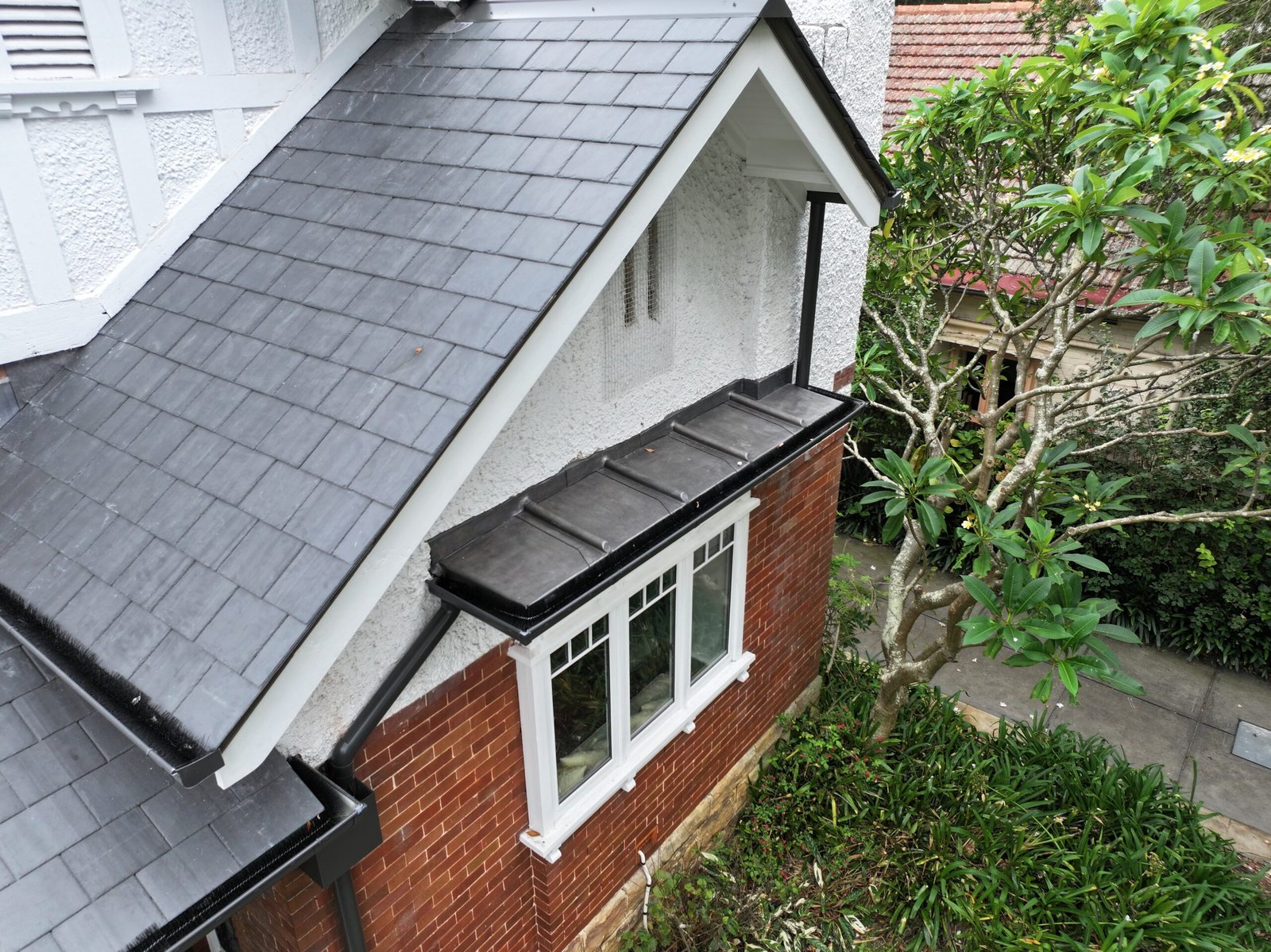
Slipped or Missing Slates
When the fixing nails fail, the slate loses support and slides down the roof or falls away completely. Scattered slipped slates usually indicate fixing failure rather than storm damage.
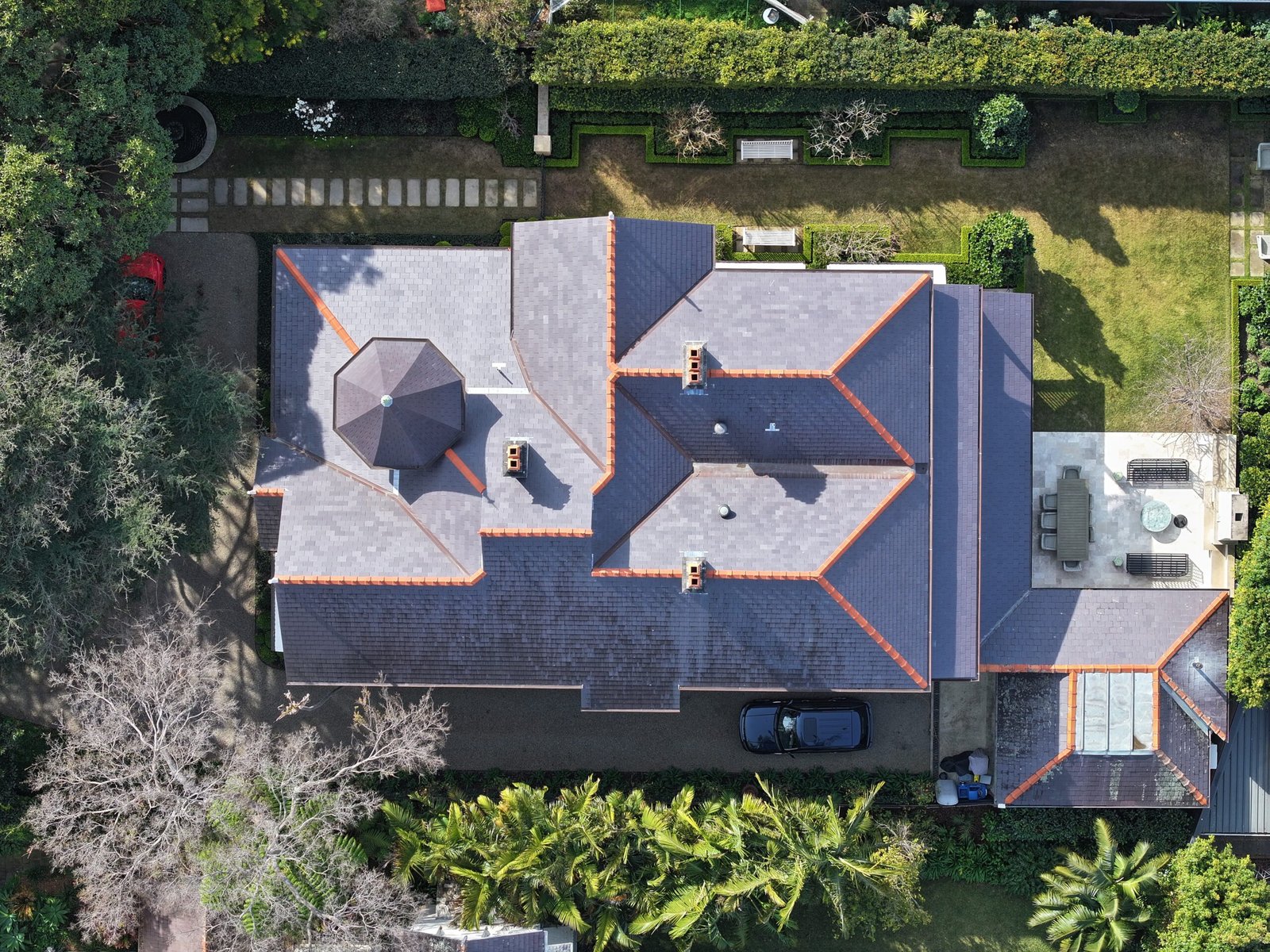
Nail Sickness
Corroded mild-steel nails lose their strength after decades, allowing perfectly good slate tiles to come loose. This is the most common cause of slate roof failure.
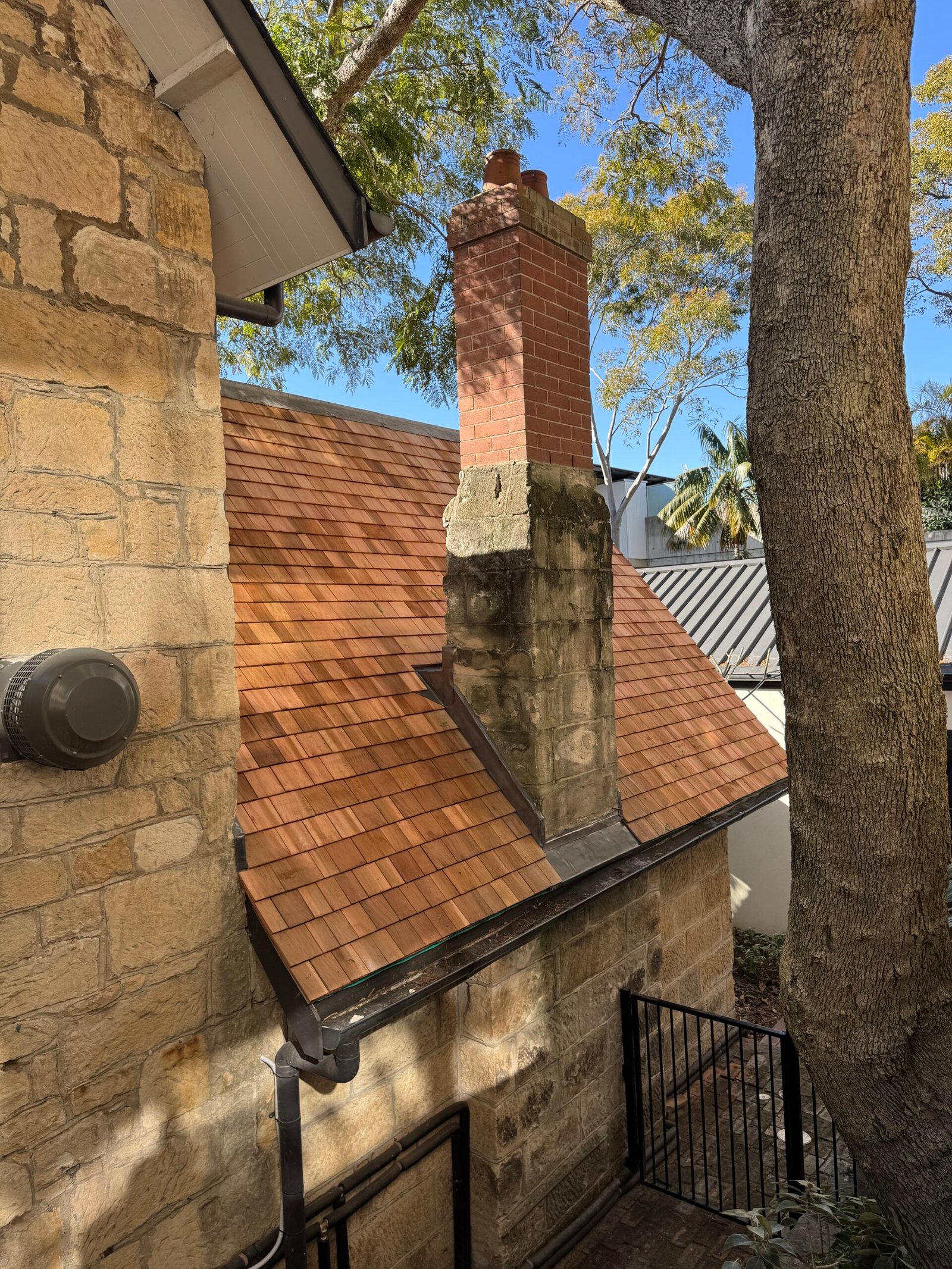
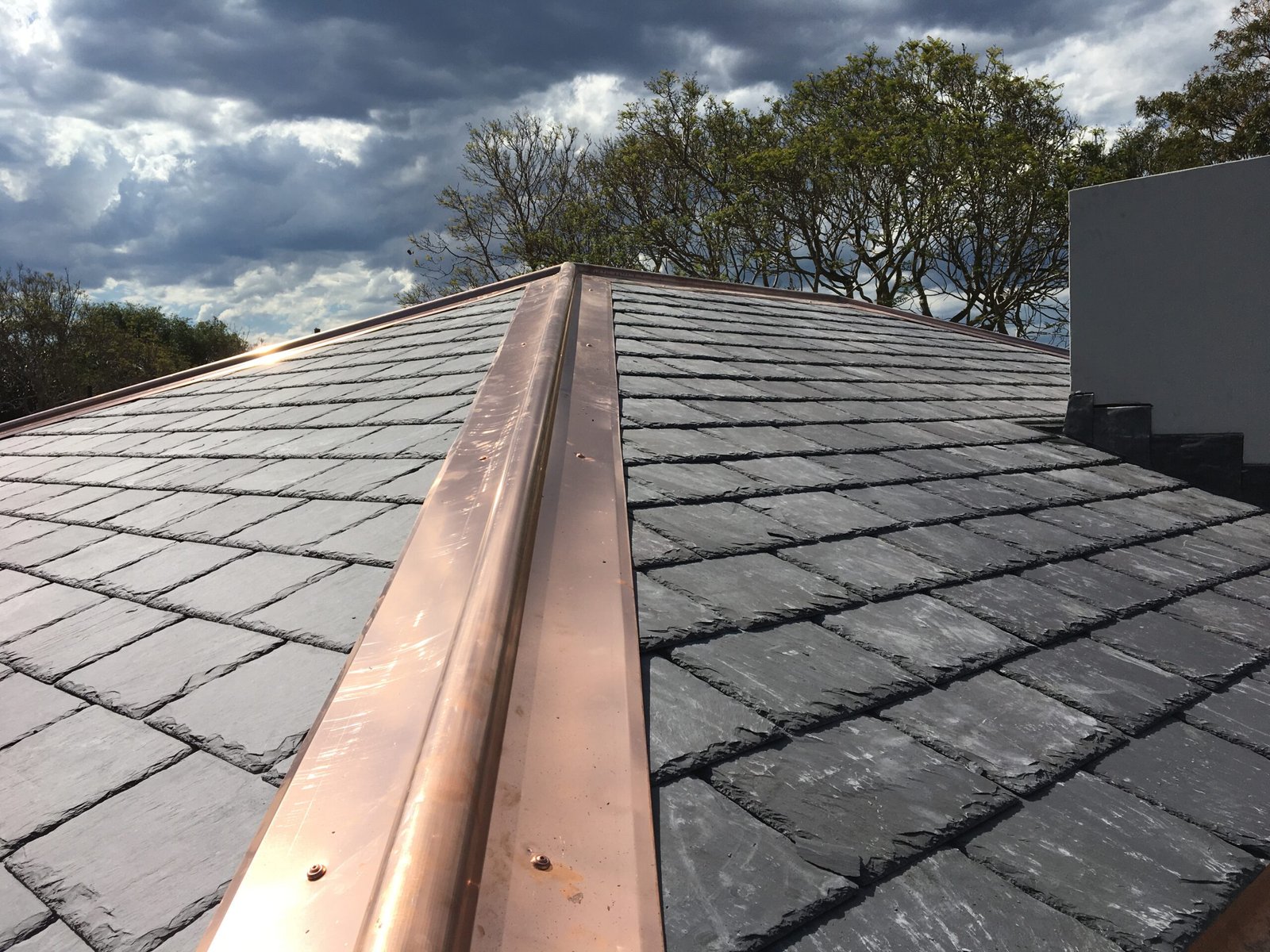
Lead Flashing Failure
Cracked valleys, split flashings and lifted leadwork commonly allow water into the roof long before the slate itself fails.
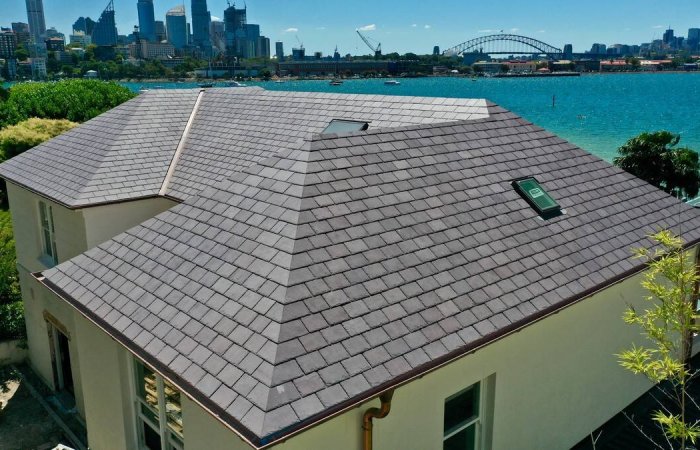
Delamination
Lower-quality slate can separate into layers, becoming soft, flaky and brittle. Once delamination begins, the affected slate must be replaced.
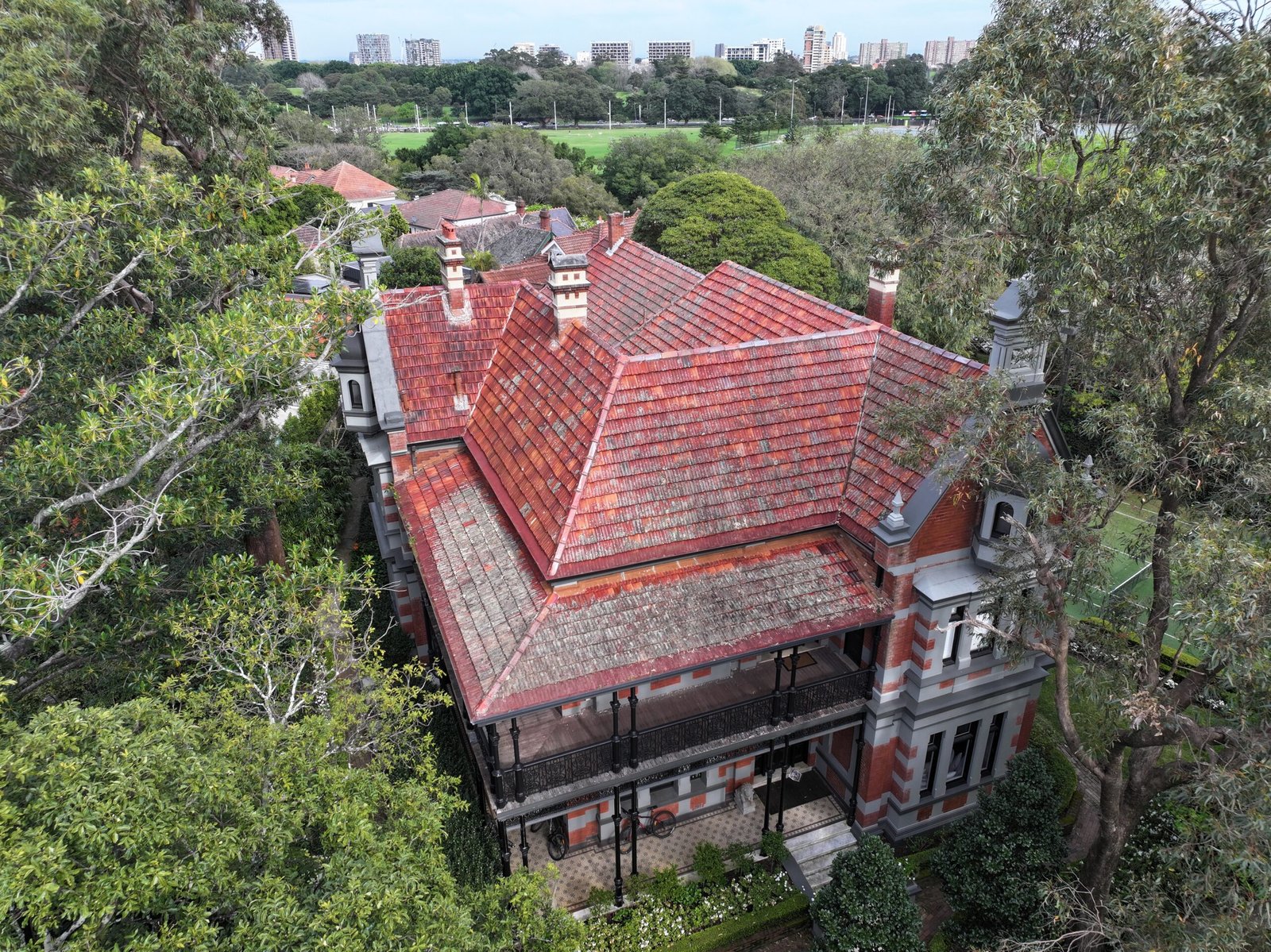
Moss, Lichen & Biological Growth
Cracked valleys, split flashings and lifted leadwork commonly allow water into the roof long before the slate itself fails.
Our Restoration Process
approved techniques to ensure the roof performs for decades.
A full assessment of the roof condition, identifying slipped slates, nail sickness and flashing issues.
A written report with photos outlining exactly what needs attention and why.
Matching reclaimed or new slate to your existing roof for a seamless finish.
Replacing worn lead flashings and valleys, the most common source of leaks.
Reusable slates are carefully lifted, cleaned and re-fixed with modern fixings.
Renewing the underlay and battens where needed to extend the roof lifespan.
Re-bedding and re-pointing ridge and hip tiles to keep the roofline weathertight.
A final walk-through and sign-off to confirm the work meets our quality standard.
Matching Slate on Older Sydney Roofs
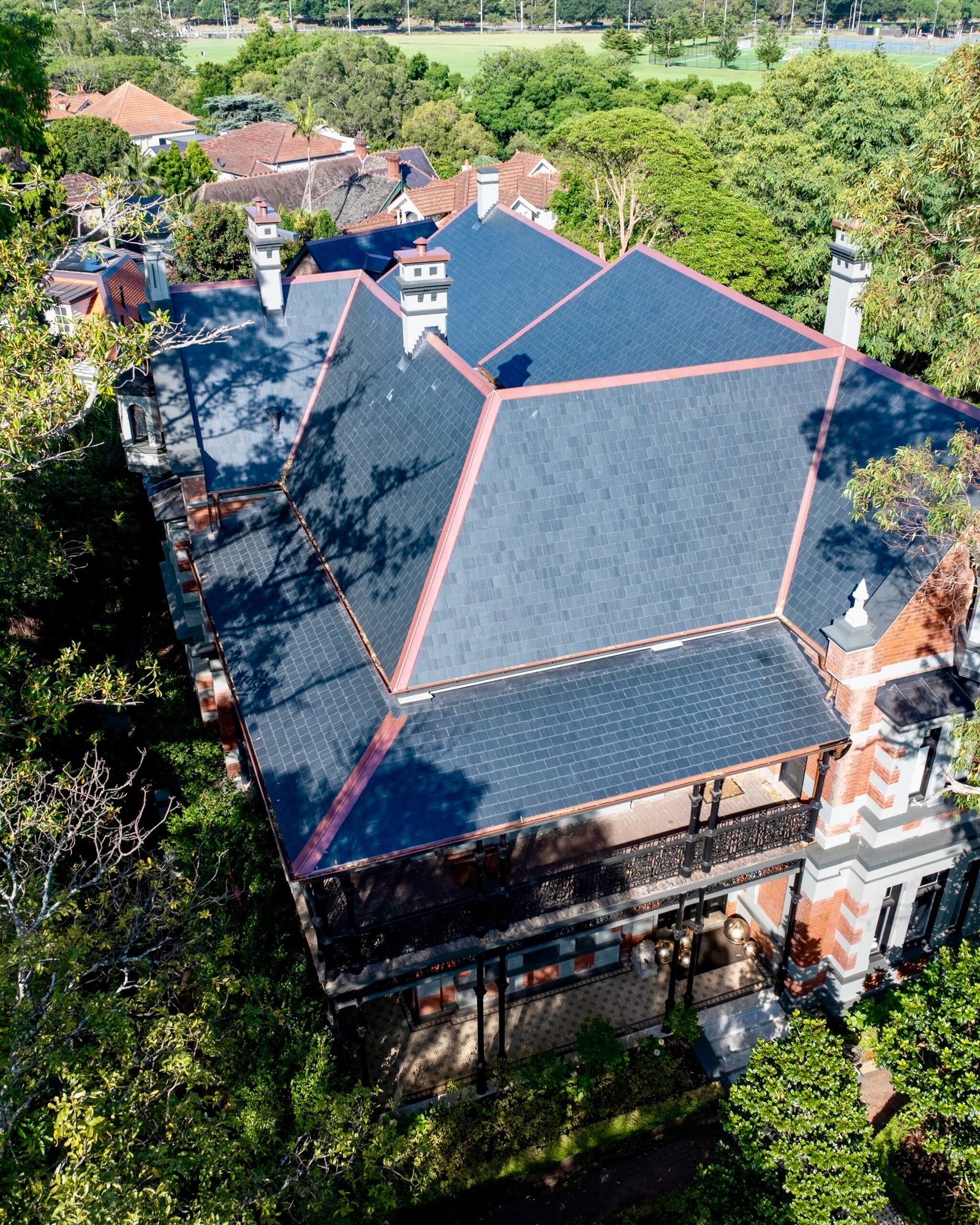
This is where a lot of restoration work goes wrong if it’s handled by a roofer without slate-specific experience. Slate isn’t a uniform product colour, thickness, texture and even the direction of grain vary by quarry and by era. A mismatched patch of slate is obvious from the street and, on a heritage-listed property, can be a compliance issue.
We source replacement slate through:
- Reclaimed slate salvaged from demolitions and reroofs, matched by hand for colour and thickness
- New Welsh or Spanish slate where the original was a quarry that’s still producing comparable stone
- Australian slate stock where appropriate for the roof’s character
Grading matters as much as sourcing. Slate is graded by thickness and quality, and using a lighter-grade slate as a patch on a roof laid with heavier, premium-grade stone creates a visible and functional mismatch thinner slate weathers differently and can flutter in wind where the surrounding roof doesn’t.
Restoration vs Repair vs Reroof
approved techniques to ensure the roof performs for decades.
| Criteria | Repair | Slate Roof Restoration | Slate Reroof |
|---|---|---|---|
| Scope | Isolated fix a handful of slates or a section of flashing. | Comprehensive assessment and restoration of the entire roof. | Complete strip, replacement and relay of the roof. |
| When It's Right | Localised damage on an otherwise sound roof. | Widespread nail sickness or ageing lead while the slate remains structurally sound. | Broad slate delamination, failed sarking or when restoration is no longer economical. |
| Slate Reused | Existing slate with minor replacement pieces. | Majority of original slate retained with targeted replacements. | Sound slate may be salvaged, but the entire roof structure is exposed. |
| Typical Lifespan Gained | Short–Medium Term | 30–50+ Years | 75–100+ Years |
| Heritage Suitability | Suitable for small isolated repairs. | Preferred for Heritage Homes | Only When Restoration Isn't Viable |
Sydney-Specific Considerations
Our restoration approach is tailored to your property’s location, construction period and council requirements.
Coastal salt exposure.
Properties in Mosman, the Eastern Suburbs, Northern Beaches and along the South Coast see faster corrosion of steel fixings and faster weathering of lower-grade lead than inland properties. Nail sickness tends to show up earlier on these roofs, and it's worth factoring into inspection frequency.
Heritage overlays.
Much of the North Shore, Inner West, Eastern Suburbs and Southern Highlands has heritage-listed or heritage-conservation-area housing stock. Council approval requirements vary, and matching original slate colour, coursing and lead detailing isn't just aesthetic preference on these properties it can be a condition of approval.
Roof pitch and period housing stock.
A lot of older Sydney housing was built with slate roofs pitched around 30–35 degrees, which affects how valleys and low-pitch sections are detailed. Lower pitch sections need more conservative lead detailing to avoid the wind-driven rain and capillary issues that show up on steeper roofs less often.
servicing all across sydney
We carry out slate roof restoration across Sydney and into the wider region, including Mosman, Randwick, the North Shore, Eastern Suburbs and Northern Beaches, the Inner West, the Southern Highlands, Canberra and the South Coast of NSW. If you’re outside these areas, get in touch we still take on heritage and character properties further afield.
Frequently Asked Questions
How long does a slate roof restoration last?
Done properly new lead work, corrected fixings, matched slate a restoration typically buys another 30 to 50 years before the next major intervention, sometimes longer depending on the grade of the original slate.
Can you restore a slate roof without removing all the slate?
Yes, and that’s the point of restoration rather than a reroof. Slate is lifted and reset only in the sections being worked on failed lead, failed fixings, damaged slate. Sound slate elsewhere on the roof is left undisturbed.
Do you match slate exactly on heritage properties?
What causes most slate roof leaks in Sydney?
More often than not it’s failed lead flashing split, lifted or corroded at valleys, chimneys and abutments rather than the slate itself. Nail sickness causing slipped slates is the second most common cause.
Is moss on my slate roof a problem?
Do I need council approval to restore a slate roof in Sydney?
It depends on whether the property is heritage listed or in a heritage conservation area. We flag this during the initial inspection and can advise on what documentation council is likely to require.